

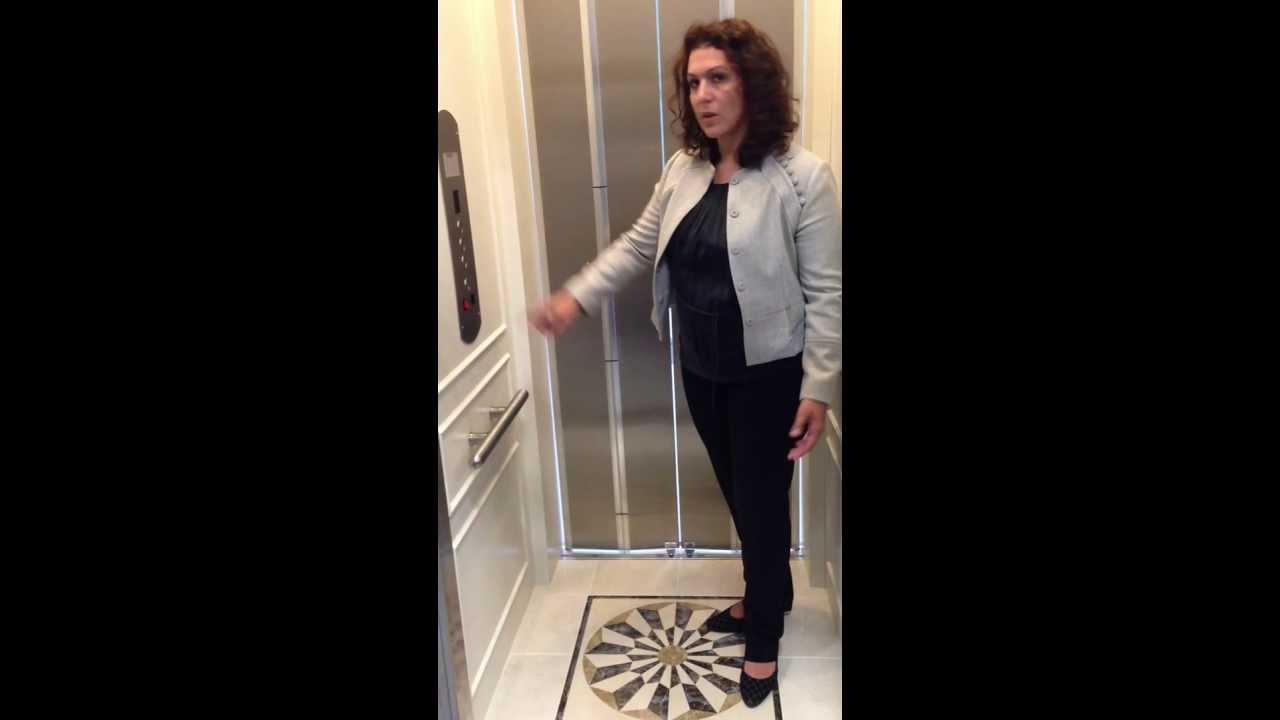
Elevators are essential for modern commercial and residential buildings in Houston, but with that convenience comes responsibility. Building owners must comply with strict elevator safety regulations to protect tenants, employees, and visitors. Failing to meet these requirements not only risks safety but can also result in costly fines and liability issues.
This guide covers the key regulations every Houston property owner should know about elevator safety, inspections, and maintenance.
1. Regular Elevator Inspections
In Houston, all elevators must undergo annual safety inspections conducted by a licensed elevator inspector. These inspections ensure compliance with the Texas Department of Licensing and Regulation (TDLR) and the American Society of Mechanical Engineers (ASME) codes.
Key points:
-
Inspections cover mechanical, electrical, and safety components.
-
A Certificate of Compliance must be displayed inside the elevator.
-
Non-compliance can lead to shutdowns until violations are corrected.
2. Maintenance Requirements
Elevators must be maintained by certified professionals who understand the latest safety standards. Regular preventive maintenance helps identify issues before they become safety hazards.
Typical tasks include:
-
Checking brake systems, door mechanisms, and cables.
-
Testing emergency communication systems.
-
Ensuring smooth operation and energy efficiency.
3. ADA Compliance
All elevators in Houston buildings must meet ADA (Americans with Disabilities Act) requirements. This includes:
-
Accessible controls at wheelchair height.
-
Audible and visual signals for floor announcements.
-
Adequate door timing to allow safe entry and exit.
4. Emergency Preparedness
Building owners are responsible for ensuring that elevators are equipped with emergency alarms, lighting, and communication systems. Houston regulations also require clear evacuation protocols in case of power outages or fire emergencies.
5. Modernization & Safety Upgrades
Older elevators often fail to meet current safety standards. Building owners may be required to invest in modernization upgrades, such as:
-
Fire-rated door systems.
-
Seismic sensors.
-
Energy-efficient motors and controllers.
Not only do upgrades improve compliance, but they also increase property value and tenant satisfaction.
Staying compliant with Houston elevator safety regulations is essential for building owners. By keeping up with inspections, maintenance, and modernization, you protect your tenants and safeguard your investment.
Looking to ensure your elevators meet Houston’s safety standards? 🚀 Contact our professional elevator service team today for inspections, maintenance, and modernization solutions you can trust.




Leave A Comment