

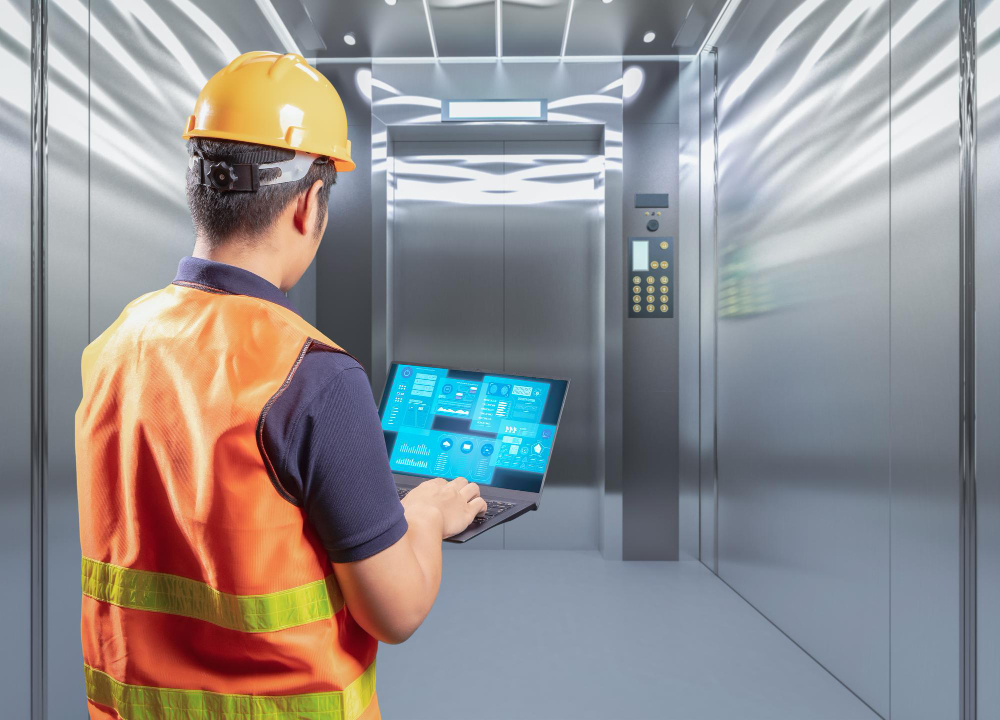
If your elevator makes unusual noises, stops unevenly, moves slower than normal, displays error codes, or experiences frequent breakdowns, it may need professional repair. Addressing these warning signs early helps prevent costly repairs, improves passenger safety, extends the elevator’s lifespan, and reduces unexpected downtime. Routine inspections by experienced elevator technicians ensure your system remains safe, reliable, and compliant with applicable safety standards.
Key Facts
- Unusual noises often indicate worn mechanical components.
- Slow operation can signal motor, controller, or drive issues.
- Uneven leveling creates a serious trip hazard.
- Ignoring small problems often leads to expensive repairs.
- Preventive maintenance reduces emergency service calls.
- Modern diagnostic testing identifies hidden issues before failures occur.
- Professional repairs help maintain elevator safety and performance.
What Are Elevator Repair Warning Signs?
Elevator repair warning signs are symptoms that indicate one or more components are no longer operating correctly. These may include strange sounds, slow travel, door malfunctions, vibration, inaccurate floor leveling, or recurring shutdowns. Recognizing these issues early allows building owners and homeowners to schedule repairs before a minor problem becomes a major safety concern.
Why Early Elevator Repairs Matter
Whether you own a residential elevator or manage a commercial property, your elevator is a complex machine made up of electrical, hydraulic, and mechanical systems. Like any equipment, components naturally wear over time.
Ignoring early warning signs can result in:
- Unexpected breakdowns
- Higher repair costs
- Increased downtime
- Passenger inconvenience
- Safety hazards
- Reduced equipment lifespan
Routine inspections and prompt repairs help keep your elevator operating safely while protecting your investment.
Common Signs Your Elevator Needs Repair
1. Unusual Noises During Operation
One of the earliest indicators of an elevator problem is unfamiliar sounds.
Listen for:
- Grinding
- Squealing
- Scraping
- Clicking
- Banging
- Loud humming
These noises may indicate:
- Worn bearings
- Loose components
- Damaged pulleys
- Motor problems
- Drive system wear
While some operational sounds are normal, any new or increasingly loud noise should be evaluated by an experienced technician.
2. Elevator Moves Slower Than Normal
A noticeable decrease in travel speed often points to mechanical or electrical issues.
Possible causes include:
- Motor wear
- Hydraulic pump problems
- Low hydraulic fluid
- Drive controller issues
- Aging electrical components
Reduced speed not only affects convenience but can also indicate declining system performance that may worsen if left untreated.
3. Uneven Floor Leveling
If passengers must step up or down when exiting the elevator, the system may no longer be leveling correctly.
Poor leveling can result from:
- Sensor failures
- Hydraulic pressure issues
- Brake problems
- Controller calibration errors
- Worn drive equipment
Improper leveling creates a significant trip hazard and should be corrected as soon as possible.
4. Elevator Doors Open or Close Improperly
Door systems are among the busiest components of any elevator.
Common door issues include:
- Doors reopening repeatedly
- Slow opening
- Failure to close completely
- Jerky movement
- Doors sticking
Potential causes include:
- Dirty door tracks
- Sensor problems
- Worn rollers
- Misaligned tracks
- Operator motor issues
Because door malfunctions directly affect passenger safety, they require prompt professional attention.
5. Frequent Breakdowns
If your elevator repeatedly goes out of service, it is signaling an underlying issue rather than isolated failures.
Recurring service calls may indicate:
- Aging equipment
- Electrical faults
- Control system problems
- Inadequate maintenance
- Components reaching the end of their service life
Instead of repairing the same issue repeatedly, a comprehensive diagnostic inspection can identify the root cause.
6. Excessive Vibration While Riding
A properly functioning elevator should provide a smooth ride.
Excessive vibration may indicate:
- Worn guide shoes
- Rail alignment issues
- Suspension problems
- Hydraulic irregularities
- Mechanical wear
Passengers often notice vibration before more serious mechanical failures occur.
7. Sudden Stops or Jerky Movement
An elevator should accelerate and stop smoothly.
Jerky motion may be caused by:
- Brake wear
- Motor problems
- Controller programming issues
- Hydraulic valve problems
- Drive system malfunction
These issues reduce ride quality and may signal components that require immediate attention.
8. Error Codes or Warning Lights
Modern elevator systems constantly monitor performance.
Common warning indicators include:
- Diagnostic fault codes
- Service reminders
- Controller alerts
- Safety shutdown notifications
Although some alerts are minor, others may indicate problems affecting system safety or reliability.
Only trained elevator technicians should interpret diagnostic codes and perform repairs.
9. Increasing Energy Consumption
If your building’s energy usage has increased without explanation, your elevator may be operating inefficiently.
Possible reasons include:
- Aging motors
- Hydraulic leaks
- Drive inefficiencies
- Poor lubrication
- Mechanical resistance
Efficient systems typically consume less power while providing smoother operation.
10. Visible Wear on Elevator Components
Routine inspections may reveal obvious signs of deterioration, such as:
- Oil leaks
- Frayed cables (where applicable)
- Rust or corrosion
- Loose hardware
- Damaged panels
- Excessive dirt buildup
Visible wear often indicates hidden internal problems that should be professionally evaluated.
What Causes Elevator Problems?
Several factors contribute to elevator repairs over time.
Normal Wear and Tear
Daily use naturally wears moving parts, especially in high-traffic buildings.
Lack of Preventive Maintenance
Skipping scheduled maintenance allows small issues to become larger, more expensive problems.
Aging Equipment
Older elevators may require more frequent repairs as components reach the end of their expected service life.
Environmental Conditions
Humidity, dust, temperature changes, and moisture can accelerate component deterioration.
Electrical Issues
Power fluctuations, wiring problems, and controller failures may affect overall elevator performance.
Frequently Asked Questions
1. What are the most common signs an elevator needs repair?
Common warning signs include unusual noises, slow operation, uneven leveling, doors that fail to open or close properly, frequent shutdowns, vibration during travel, error codes, and sudden stops. These issues should be inspected by a qualified elevator technician as soon as possible.
2. Is it safe to keep using an elevator that makes unusual noises?
No. Grinding, squeaking, scraping, or banging sounds often indicate worn mechanical components or alignment problems. Continuing to use the elevator may lead to more extensive damage and increase repair costs.
3. How often should a residential or commercial elevator be serviced?
Most elevators should receive preventive maintenance at least twice a year, while commercial elevators with higher usage may require monthly or quarterly service depending on manufacturer recommendations and local regulations.
4. Can delaying elevator repairs make the problem worse?
Yes. Minor issues such as worn rollers, loose components, or sensor malfunctions can quickly develop into major mechanical failures if ignored, resulting in higher repair costs and longer downtime.
5. Why does my elevator stop unevenly at the floor?
Uneven leveling is commonly caused by worn brakes, sensor issues, control system problems, or drive component wear. This condition creates a tripping hazard and should be repaired promptly.
6. What should I do if my elevator suddenly stops working?
Remain calm and follow the elevator’s emergency procedures. Do not attempt to force the doors open. Contact a professional elevator repair company immediately to diagnose and resolve the issue safely.
7. How long does a typical elevator repair take?
The repair time depends on the problem. Minor adjustments may take a few hours, while replacing major components or electronic systems may require one or more days, especially if replacement parts must be ordered.
8. Can preventive maintenance reduce repair costs?
Absolutely. Routine inspections help identify worn parts before they fail, reducing emergency service calls, extending equipment life, improving reliability, and lowering long-term maintenance expenses.
9. Should I repair or replace an aging elevator?
If repairs are becoming frequent, replacement parts are difficult to obtain, or the elevator no longer meets current safety standards, modernization or replacement may be the more cost-effective long-term solution.
10. Does Exclusive Elevators provide maintenance and repair services in Houston?
Yes. Exclusive Elevators provides professional elevator maintenance, repair, troubleshooting, inspections, and modernization services for residential and commercial properties throughout Houston and surrounding communities.
Why Choose Exclusive Elevators
Choosing the right elevator company is about more than fixing a problem—it’s about protecting your investment and ensuring safe, reliable operation every day.
Exclusive Elevators proudly serves homeowners and businesses throughout the Houston area with professional elevator installation, maintenance, modernization, and repair services. Their experienced technicians understand the unique requirements of residential elevators, commercial elevators, accessibility lifts, and custom elevator systems.
Customers choose Exclusive Elevators because they offer:
- Experienced elevator technicians
- Prompt diagnostic and repair services
- Preventive maintenance programs
- High-quality replacement parts
- Honest recommendations
- Exceptional customer service
- Local knowledge of Houston-area properties
- Commitment to safety and code compliance
Whether your elevator needs a simple adjustment or a major repair, the team works efficiently to minimize downtime while delivering dependable, long-lasting solutions.
Contact us
Don’t ignore the warning signs of elevator problems. Addressing minor issues early can help you avoid costly repairs, unexpected breakdowns, and safety risks.
If your residential or commercial elevator is making unusual noises, operating slowly, or showing any signs of malfunction, contact Exclusive Elevators today.




Leave A Comment