

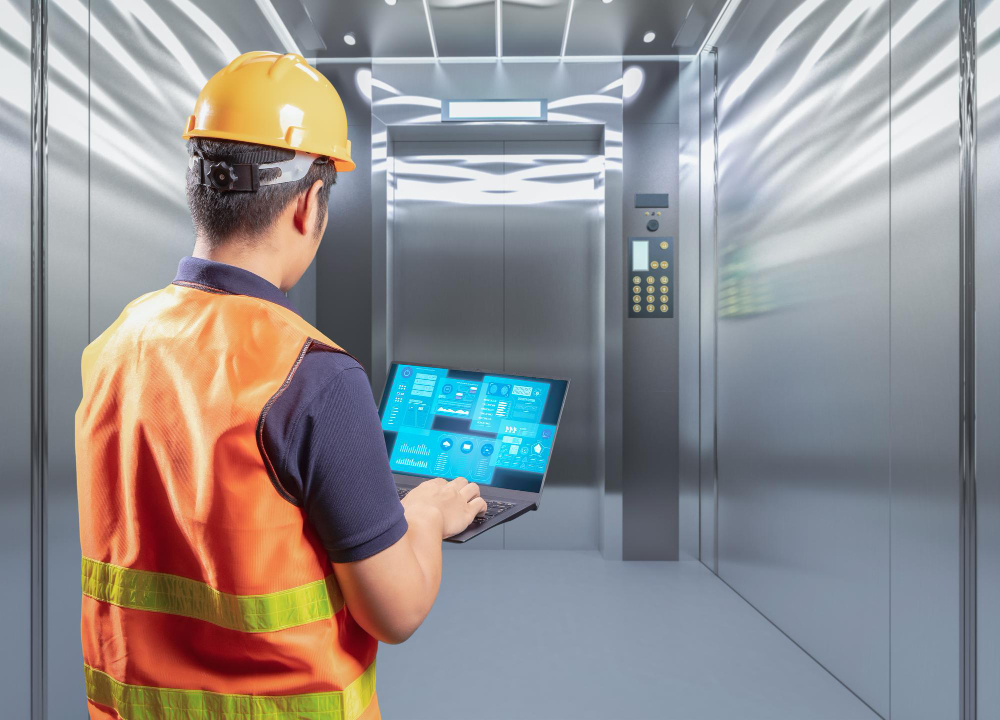
Regular elevator maintenance services are essential for keeping residential elevators safe, reliable, and efficient. Routine inspections help identify worn parts before they fail, reduce the risk of unexpected breakdowns, extend the life of your elevator, and ensure smooth daily operation. Homeowners who invest in preventive maintenance can often avoid costly emergency repairs while protecting both their investment and their family’s safety.
Key Facts
- Preventive maintenance improves elevator safety and reliability.
- Regular inspections detect small issues before they become expensive repairs.
- Well-maintained elevators operate more smoothly and quietly.
- Routine service helps maximize the lifespan of residential elevator systems.
- Professional maintenance protects your investment and home value.
- Scheduled inspections reduce unexpected downtime and emergency service calls.
- Houston homeowners benefit from maintenance that addresses the region’s climate and daily usage.
What Are Elevator Maintenance Services?
Elevator maintenance services involve scheduled inspections, testing, cleaning, lubrication, adjustments, and replacement of worn components to keep residential elevators operating safely and efficiently. Rather than waiting for a malfunction, preventive maintenance ensures every critical system is inspected regularly so potential issues can be corrected before they affect performance.
Modern home elevators are sophisticated systems that combine electrical controls, drive mechanisms, safety devices, and precision engineering. Just like an automobile or HVAC system, they require routine care to continue operating at peak performance.
For homeowners in Houston and throughout Southeast Texas, regular maintenance is one of the smartest ways to protect the long-term value of a residential elevator while ensuring dependable accessibility for every member of the household.
Why Regular Elevator Maintenance Is So Important
A residential elevator represents a significant investment in comfort, convenience, accessibility, and property value. However, even the highest-quality elevator requires ongoing maintenance to remain dependable year after year.
Ignoring routine service may save money in the short term, but it often leads to larger repair bills, unexpected breakdowns, and shortened equipment life.
Safety Comes First
Safety is the primary reason professional maintenance is essential.
Every residential elevator includes multiple safety components designed to protect passengers during normal operation and unexpected situations.
Routine inspections verify that critical systems such as:
- Door interlocks
- Emergency brakes
- Safety sensors
- Backup battery systems
- Emergency alarms
- Telephone communication systems
- Speed governors
- Control circuits
are functioning exactly as intended.
Even a minor issue with one of these components can compromise safe operation if left unaddressed.
Prevent Expensive Repairs
Mechanical systems naturally experience wear over time.
Small problems—such as loose wiring, worn rollers, deteriorating cables, or low hydraulic fluid—can quickly develop into major failures if they aren’t discovered early.
Preventive maintenance helps technicians identify these issues before they require expensive replacement parts or emergency service.
Many homeowners are surprised to learn that a simple adjustment made during a routine inspection can prevent repairs costing thousands of dollars later.
Extend the Life of Your Elevator
Residential elevators are designed to last for many years.
However, longevity depends heavily on proper maintenance.
Routine servicing reduces unnecessary stress on components by ensuring:
- Motors operate efficiently
- Hydraulic systems maintain proper pressure
- Moving parts remain lubricated
- Doors stay aligned
- Control systems remain calibrated
These small maintenance tasks significantly reduce long-term wear and tear.
Improve Daily Performance
One of the first signs that maintenance is overdue is a noticeable change in how the elevator operates.
Homeowners may experience:
- Slower travel
- Rough starts
- Jerky stops
- Noisy operation
- Delayed door movement
- Inconsistent floor leveling
Regular maintenance restores smooth, quiet performance and improves the overall user experience.
What Happens During a Professional Elevator Inspection?
A comprehensive elevator maintenance appointment involves much more than simply checking whether the elevator moves between floors.
Experienced technicians perform a detailed evaluation of every major system.
Mechanical Inspection
Moving mechanical components receive close attention because they experience the greatest amount of wear.
Technicians inspect:
- Drive motors
- Gearboxes
- Belts
- Cables
- Sheaves
- Rollers
- Bearings
- Guide rails
- Hydraulic cylinders
Each component is checked for wear, alignment, lubrication, and proper operation.
Electrical System Inspection
Modern home elevators rely on sophisticated electronic controls.
Maintenance includes inspecting:
- Main control boards
- Wiring connections
- Circuit breakers
- Call stations
- Safety switches
- Battery backup systems
- Controller software (when applicable)
Loose electrical connections are corrected before they create operational issues.
Door System Inspection
Doors are among the hardest-working components of any elevator.
Technicians inspect:
- Door tracks
- Rollers
- Hinges
- Sensors
- Automatic operators
- Safety edges
- Interlocks
Proper door alignment helps prevent unnecessary wear while improving passenger safety.
Cab Inspection
The elevator cab is also evaluated to ensure everything remains in excellent condition.
This includes checking:
- Interior lighting
- Handrails
- Flooring
- Ceiling panels
- Emergency phone
- Alarm button
- Cab operating panel
- Ventilation systems
These inspections help ensure both safety and comfort.
How Often Should Residential Elevators Be Maintained?
Maintenance frequency depends on several factors, including the manufacturer’s recommendations, elevator type, household usage, and the age of the equipment.
As a general guideline:
- Light residential use: once per year
- Moderate daily use: every six months
- Heavy daily use or older elevators: quarterly inspections may be recommended
Homes where an elevator serves as a primary mobility solution often benefit from more frequent maintenance to ensure uninterrupted operation.
Common Elevator Problems Prevented by Routine Maintenance
Many major elevator repairs begin as small issues that could have been identified during a scheduled inspection.
Common problems include:
Slow Elevator Movement
Reduced speed may indicate motor wear, hydraulic issues, or electrical problems.
Floor Leveling Issues
An elevator that stops above or below floor level creates a potential tripping hazard and should be corrected immediately.
Unusual Noises
Grinding, squeaking, or rattling often indicates worn bearings, loose hardware, or insufficient lubrication.
Door Malfunctions
Doors that hesitate, fail to close completely, or reverse unexpectedly may require sensor adjustments or mechanical repairs.
Unexpected Shutdowns
Electrical faults, controller errors, or worn safety devices can cause the elevator to stop operating unexpectedly.
Regular maintenance greatly reduces the likelihood of these problems.
Benefits of Regular Elevator Maintenance for Houston Homeowners
Houston’s climate presents unique challenges for residential mechanical systems. High humidity, seasonal temperature changes, dust, and frequent daily use can gradually affect elevator performance. Regular maintenance helps homeowners keep their elevators operating reliably despite these environmental conditions.
Whether your elevator is installed in a new custom home or an existing residence, preventive service helps protect your investment while minimizing interruptions.
Some of the biggest benefits include:
- Greater peace of mind
- Improved passenger safety
- Lower long-term repair costs
- Extended equipment lifespan
- Better ride quality
- Higher property value
- Increased reliability for family members with mobility challenges
For homeowners who depend on their elevator every day, reliability isn’t simply convenient—it is essential.
Signs Your Elevator Needs Immediate Attention
Even with regular maintenance, homeowners should know when it’s time to schedule service immediately.
Contact a professional elevator technician if you notice any of these warning signs.
Strange Noises
Grinding, squealing, banging, or clicking noises often indicate worn bearings, damaged rollers, loose components, or insufficient lubrication.
Ignoring these sounds may allow minor issues to become major repairs.
Jerky Movement
An elevator should move smoothly between floors.
Sudden shaking, bouncing, or uneven movement often points to problems with the drive system or hydraulic components.
Doors Not Closing Properly
Door problems are among the most common service calls.
If doors hesitate, reverse unexpectedly, or fail to close completely, the sensors or door operator may require adjustment.
Floor Leveling Problems
The elevator should stop level with each floor.
If passengers must step up or down when entering or exiting the cab, calibration or mechanical adjustments are needed.
Slow Operation
A noticeable reduction in travel speed can indicate:
- Motor wear
- Hydraulic pressure issues
- Electrical problems
- Control system faults
Professional diagnosis can usually identify the source before additional damage occurs.
Fluid Leaks
Hydraulic elevators should never leak oil.
Even small leaks deserve immediate attention to prevent system damage and environmental concerns.
Error Messages or Flashing Indicators
Modern elevators often display diagnostic codes when problems occur.
Do not ignore these warnings.
Prompt service can prevent a complete shutdown.
How Preventive Maintenance Saves Money
Some homeowners delay maintenance because the elevator appears to be working normally.
Unfortunately, hidden wear often goes unnoticed until a breakdown occurs.
Preventive maintenance helps reduce costs by:
- Detecting worn parts early
- Avoiding emergency service calls
- Preventing expensive component failures
- Reducing labor costs
- Minimizing downtime
- Extending equipment life
Over the lifespan of a residential elevator, routine maintenance is typically far less expensive than repeated emergency repairs.
Elevator Maintenance vs. Emergency Repairs
| Preventive Maintenance | Emergency Repair |
|---|---|
| Scheduled appointments | Unexpected breakdowns |
| Lower overall cost | Higher repair expenses |
| Minimal disruption | Significant inconvenience |
| Extends equipment life | Often involves major part replacement |
| Improves reliability | Restores operation after failure |
| Prevents future problems | Addresses existing damage |
Routine maintenance is a proactive investment, while emergency repairs are reactive and often much more costly.
Can Homeowners Perform Elevator Maintenance?
Homeowners can perform simple visual inspections and keep the elevator clean, but professional servicing should always be left to qualified technicians.
Homeowners should:
- Keep the cab clean
- Report unusual noises promptly
- Avoid overloading the elevator
- Follow manufacturer recommendations
- Schedule regular professional inspections
They should never attempt to repair:
- Motors
- Electrical wiring
- Hydraulic systems
- Safety devices
- Door mechanisms
- Control systems
Improper repairs may create serious safety risks.
Common Maintenance Mistakes Homeowners Make
Many expensive repairs could have been prevented if these common mistakes were avoided.
Waiting Until Something Breaks
The biggest mistake is assuming maintenance isn’t necessary because the elevator still works.
Preventive service is designed to stop problems before they occur.
Ignoring Small Warning Signs
Minor noises or occasional delays often signal developing issues.
Addressing them early usually costs much less than waiting.
Skipping Annual Inspections
Even elevators with light residential use benefit from yearly professional maintenance.
Skipping inspections increases the likelihood of unexpected failures.
Hiring Inexperienced Contractors
Residential elevators require specialized knowledge.
Always choose technicians experienced with home elevator systems and the manufacturer’s recommendations.
Delaying Minor Repairs
Replacing a worn roller today is much less expensive than replacing damaged guide rails later.
Small repairs protect larger components from unnecessary wear.
Expert Tips for Keeping Your Residential Elevator in Excellent Condition
Professional elevator technicians recommend the following best practices:
Schedule Maintenance Before Problems Appear
Don’t wait for warning signs.
Preventive service is the most cost-effective maintenance strategy.
Keep a Maintenance Log
Record inspection dates, repairs, and technician recommendations.
Maintenance records also add value if you sell your home.
Pay Attention to Performance Changes
Even subtle changes in ride quality deserve attention.
The sooner a technician evaluates the issue, the easier it often is to correct.
Keep the Cab Clean
Dust and debris can interfere with moving components and door operation.
Regular cleaning helps maintain smooth performance.
Follow Manufacturer Recommendations
Every elevator system has unique maintenance requirements.
Following recommended service intervals helps maximize equipment lifespan.
Never Ignore Safety Features
Emergency phones, alarms, and backup power systems should always remain fully operational.
Regular inspections verify these critical safety features continue functioning properly.
Frequently Asked Questions
1. How often should a residential elevator be serviced?
Most residential elevators should be professionally inspected at least once a year. Homes with frequent daily use, multiple users, or older elevator systems may benefit from maintenance every six months or quarterly, depending on the manufacturer’s recommendations.
2. What does elevator maintenance include?
A typical maintenance visit includes inspecting the drive system, motor, cables or hydraulic components, door mechanisms, electrical controls, safety devices, emergency systems, lubrication of moving parts, adjustments, cleaning, and testing to ensure safe and reliable operation.
3. Can regular maintenance prevent elevator breakdowns?
Yes. Preventive maintenance helps identify worn or damaged components before they fail, reducing the risk of unexpected breakdowns and extending the life of your elevator.
4. Is elevator maintenance required even if the elevator works properly?
Absolutely. Many mechanical and electrical issues develop gradually without obvious symptoms. Routine inspections catch these problems early, helping homeowners avoid expensive repairs and safety concerns.
5. How long does a maintenance appointment take?
Most residential elevator maintenance visits take between one and two hours, depending on the elevator model, its condition, and whether any repairs or adjustments are needed.
6. What are the signs that my elevator needs immediate service?
Common warning signs include unusual noises, jerky movement, slow operation, doors that don’t close properly, uneven floor leveling, fluid leaks, or warning lights on the control panel. If you notice any of these issues, contact a professional technician promptly.
7. Does regular maintenance extend the lifespan of a home elevator?
Yes. Routine maintenance minimizes wear on critical components, improves system efficiency, and helps prevent major failures, allowing your elevator to operate reliably for many years.
8. Can I perform elevator maintenance myself?
Homeowners can keep the cab clean and report unusual behavior, but maintenance and repairs should always be performed by qualified elevator professionals due to the complexity and safety requirements of the equipment.
9. Does maintenance improve elevator safety?
Yes. Professional inspections verify that safety systems such as emergency brakes, door interlocks, sensors, alarms, and backup power systems are functioning properly, helping protect everyone who uses the elevator.
10. Is preventive maintenance less expensive than emergency repairs?
In most cases, yes. Preventive maintenance is significantly more affordable than repairing major mechanical failures or replacing damaged components after an unexpected breakdown.
Why Choose Exclusive Elevators?
When investing in a residential elevator, choosing the right installation and maintenance company is just as important as selecting the elevator itself. At Exclusive Elevators, we are committed to providing homeowners throughout Houston and the surrounding areas with reliable elevator solutions backed by exceptional craftsmanship and customer care.
Our team specializes in residential elevator installation, modernization, maintenance, and repair services tailored to each home’s unique needs. We understand that every elevator plays an important role in improving accessibility, comfort, and convenience, which is why we focus on quality workmanship, dependable service, and long-term performance.
Whether you need routine maintenance, system inspections, or expert repairs, our experienced technicians work diligently to keep your elevator operating safely and efficiently. We take pride in delivering personalized service, transparent communication, and dependable support that homeowners can trust.
By choosing Exclusive Elevators, you’re partnering with professionals who understand residential elevator systems and are dedicated to helping you protect your investment for years to come.
Contact Us
Your home elevator is an investment in safety, accessibility, and convenience—don’t leave its performance to chance. Regular maintenance helps prevent unexpected breakdowns, extends the life of your equipment, and provides peace of mind for you and your family.





Leave A Comment